
Related article
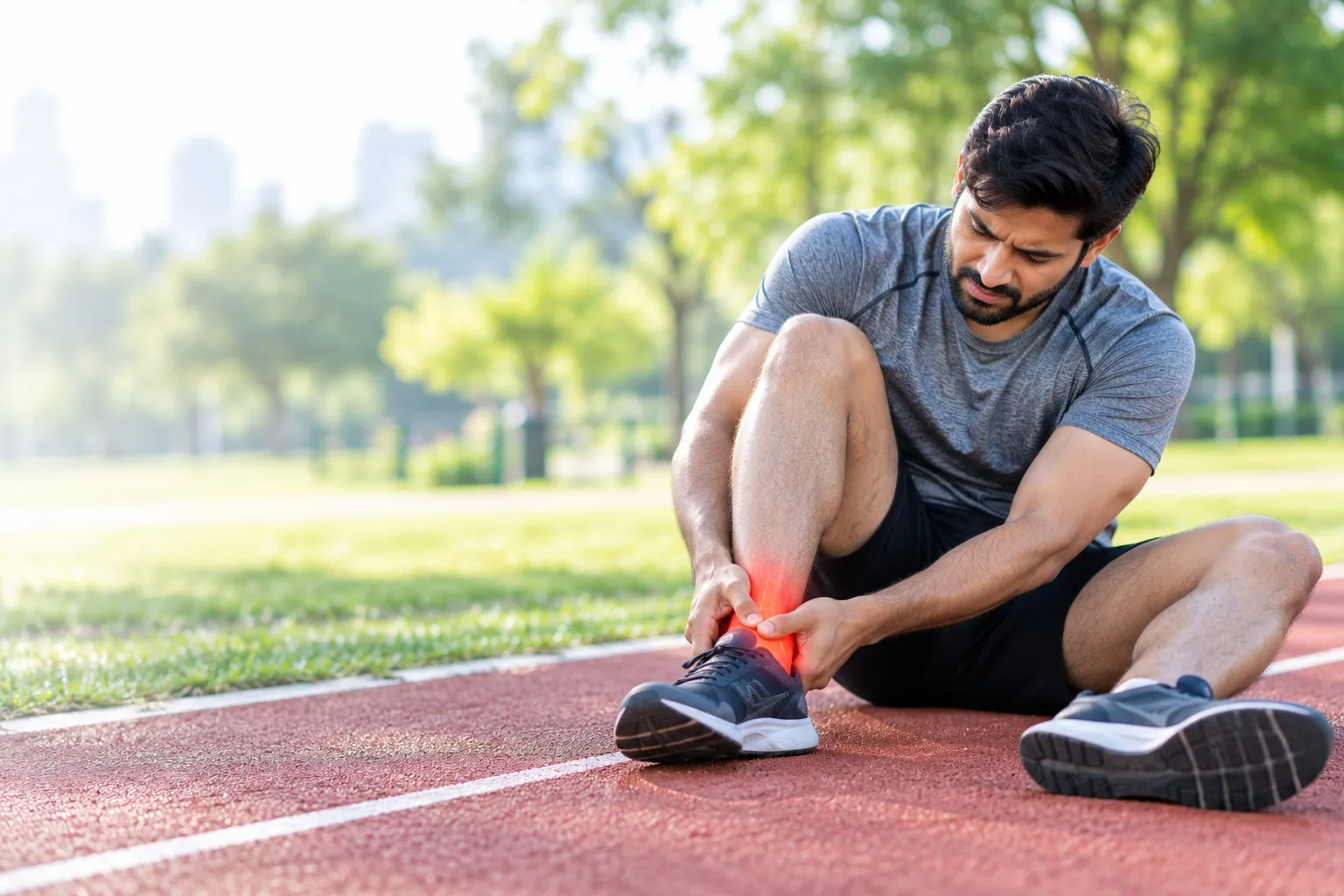
Returning to sport after injury
A step-by-step guide to getting back to the activities you love, safely and confidently.
Read Article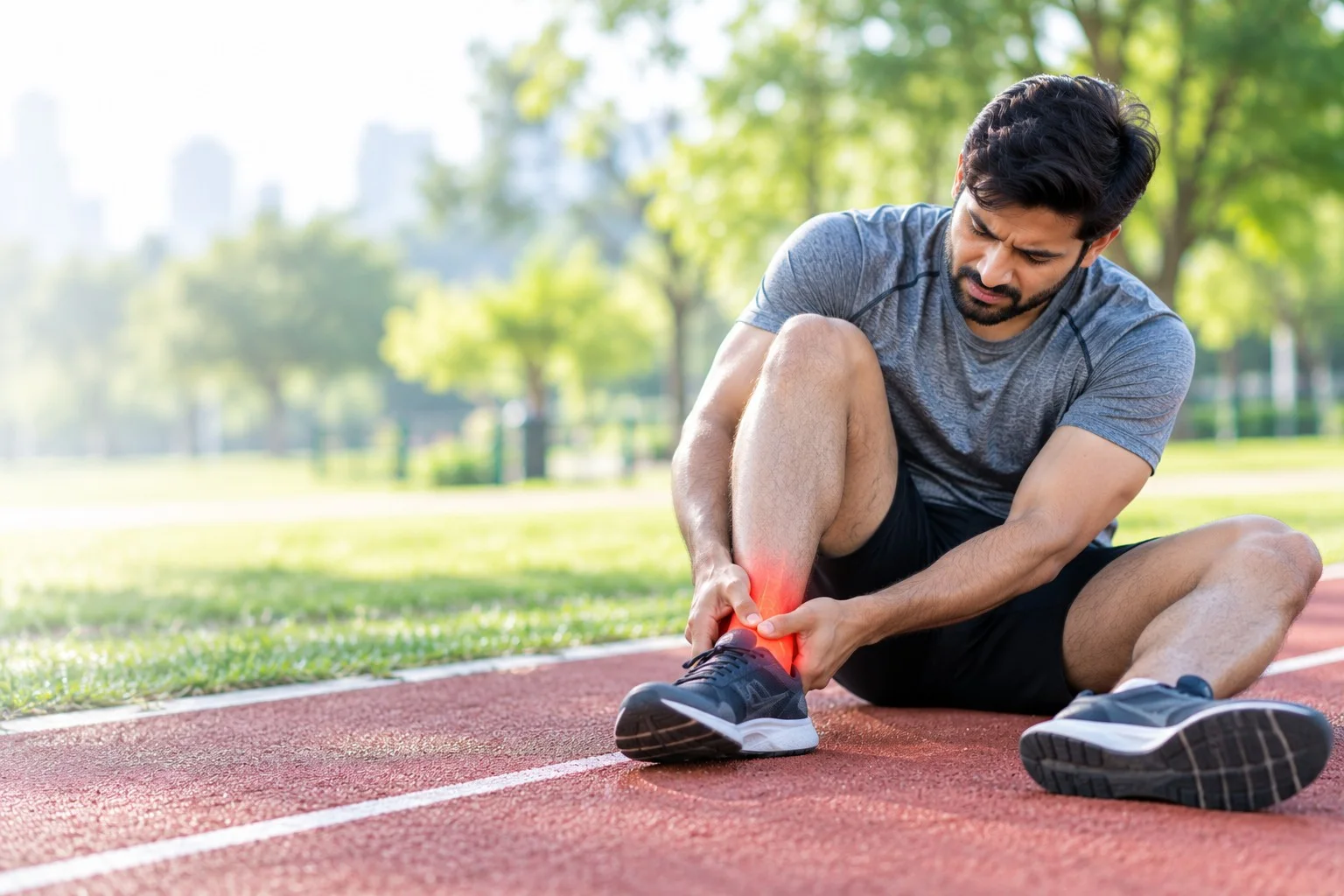

360°Carearoundyou
Conditions we treat
Sprains, strains and overuse injuries are common in sport. A structured rehabilitation plan helps you heal, rebuild performance and reduce the chance of re-injury.
Book an AssessmentUnderstand the symptoms
Sports Injury can feel different for everyone. You may experience one or more of the following:
Pain that stops you training or playing.
After a twist, fall or impact.
A joint that feels loose or gives way.
Less speed, power or endurance.
Limited movement after rest.
Why it happens
When to seek help
Early assessment and the right exercises can help reduce pain, improve movement and prevent the problem from coming back.
If you have any of these, call Rescue 1122 or go to your nearest emergency department — don’t wait for a physiotherapy appointment.
How we help
Our treatment is tailored to your symptoms, lifestyle and goals.
We assess the injury, your sport and a realistic recovery timeline.
Early care to settle pain and swelling, then progressive loading.
Strength, power, agility and sport-specific drills.
Injury-prevention work and return-to-sport testing.
Typical recovery timeline
Recovery varies from person to person. This is a typical guide, not a guarantee.
Weeks 1–2
Reduce pain and swelling while keeping the rest of you moving.
Weeks 3–6
Progressive strength and movement work.
6+ weeks
Sport-specific training and testing before full return. Timelines vary by injury.
Related article
A step-by-step guide to getting back to the activities you love, safely and confidently.
Read ArticleFrequently asked questions
Ice can ease pain and swelling early on. More important is gradual, guided loading — we’ll show you how.
When you meet clear strength and movement milestones, not just when pain goes. This reduces the risk of re-injury.
Often yes, with changes. We’ll help you stay fit without aggravating the injury.
No. You can book an assessment directly. If we think you need scans or a doctor’s opinion, we’ll tell you and help you arrange it.

Sameexpert care.A brightertomorrow.
Your next step